If you’re on a quest for the best organic pillow, you’ve come to the right place. Sleep quality, health and comfort hinge on more than just the mattress — the pillow plays a pivotal role too. With growing interest in eco-friendly, chemical-free bedding, choosing a natural pillow is more than a trend: it’s a conscious lifestyle choice. In this guide, you’ll learn how to pick the right organic pillow, understand the difference between kapok vs cotton pillow, get a complete organic bedding guide, and discover why Pikkow is the right choice for your healthier, sustainable sleep.
Why Choose an Organic Pillow?

When you invest in an organic pillow, you’re doing more than just changing your bedding — you’re changing your sleep environment.
Benefits include:
-
Lower exposure to chemicals and synthetic off-gassing. According to Sleep Foundation, true organic bedding “escapes the use of harmful pesticides … is healthier, hypoallergenic and breathable.”
-
Better breathability and comfort, especially in warm Indian climates, thanks to natural fibres.
-
Improved neck and spine alignment when pillow height and support are correct.
-
Sustainability and eco-consciousness — organic pillows support ethical farming and reduce plastic waste.
Tip: If you have sensitive skin, allergies, or prefer natural living, an organic pillow is your ideal upgrade.
How to Evaluate the Best Organic Pillow for You

Choosing the perfect organic pillow involves understanding your body, preferences, and the materials available.
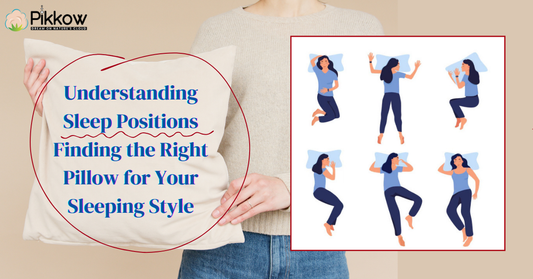
1. Know Your Sleep Position and Support Needs
|
Sleep Position |
Ideal Support Level |
What to Look For |
|
Back Sleeper |
Medium |
Pillow height that supports head without lifting neck too high |
|
Side Sleeper |
Firm & Higher Loft |
Fills the shoulder gap to keep spine straight |
|
Stomach Sleeper |
Soft & Low Profile |
Prevents neck strain and supports natural posture |
Research shows that pillow height affects spinal alignment and comfort — a crucial point often overlooked by buyers.
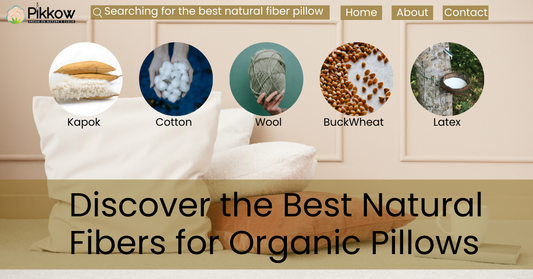
2. Material Matters – Kapok vs Cotton Pillow
When comparing kapok vs cotton pillow, both are natural and sustainable, but they have unique features.
|
Feature |
Kapok Pillow |
Cotton Pillow |
|
Loft & Feel |
Fluffy, down-like, supportive |
Soft, breathable but flattens over time |
|
Breathability |
Excellent |
Good |
|
Durability |
Medium-High |
High (if densely filled) |
|
Allergy Resistance |
Naturally hypoallergenic |
Depends on weave density |
|
Sustainability |
100% natural and renewable |
100% renewable crop-based fibre |
Kapok pillows like those from Pikkow are incredibly light, breathable, and toxin-free — ideal for humid Indian climates. Cotton pillows are also good but tend to compress faster over time.
3. Certifications & Material Transparency
An authentic organic pillow must have certifications such as GOTS (Global Organic Textile Standard) or OEKO-TEX® Standard 100.
Check the product for:
-
Organic cotton covers
-
Natural kapok fill
-
Hypoallergenic or dust-mite resistance claims
-
No chemical or foam fillers
Pikkow maintains full material transparency, using 100% organic kapok fibre with organic cotton covers. You can learn more on their About Us page.
4. Loft, Firmness & Fit to Your Bed Setup

Your pillow should complement your mattress and sleeping style.
-
Loft: The height of the pillow — medium is best for most back sleepers.
-
Firmness: Should support your head without sagging.
-
Fluffability: Kapok pillows can be fluffed easily to maintain shape.
-
Compatibility: Choose pillow size (Standard, Queen, King, Kids) that fits your bed and comfort.
Explore Pikkow’s sizes:
5. Brand Reputation & After-Sale Support
Organic bedding is an investment, so trust a brand that focuses on sustainability, transparency, and comfort. Pikkow stands out for:
-
100% natural kapok fibre filling
-
Organic cotton covers
-
Ethically sourced, biodegradable materials
-
Easy online ordering and fast India-wide shipping
-
Strong after-sale support
Check their full Collection Page to explore more.
Why Pikkow is the Best Organic Pillow Brand in India
Pikkow isn’t just a brand — it’s a movement towards conscious, sustainable sleep.
-
Eco-Conscious Craftsmanship: Each pillow is handcrafted with care and made from toxin-free, biodegradable materials.
-
Perfect for Indian Climate: The kapok filling stays breathable even during hot summer nights.
-
Long-Lasting Comfort: Pikkow pillows maintain loft for years with minimal care.
-
Kids-Friendly & Hypoallergenic: Ideal for sensitive skin and young sleepers.
-
Authentic Transparency: No fillers, no hidden foam — just pure organic comfort.
Follow their journey and sustainability updates on Instagram.
Quick Checklist Before Buying
|
Question |
Why It Matters |
|
What is the fill material? |
Ensures pillow is genuinely natural and chemical-free. |
|
Is the cover organic? |
Often only covers are organic — check the fill too. |
|
Does it suit your sleep position? |
Prevents neck and shoulder pain. |
|
Is it breathable and washable? |
Essential for hygiene and Indian climates. |
|
Does it come from a trusted brand? |
Ensures quality and warranty. |
Tips for Indian Homes and Sleepers

-
Opt for breathable materials like kapok or cotton to reduce sweating in humid nights.
-
Use an organic cotton pillowcase for hygiene and better airflow.
-
Avoid synthetic pillow covers — they trap heat.
-
Fluff your pillow weekly to maintain shape and softness.
-
Replace your pillow every 2–3 years for consistent support.
Common Myths About Organic Pillows
Myth 1: All pillows labeled “organic” are 100% organic.
Truth: Many are only partially organic (like covers). Always check certifications and brand transparency.
Myth 2: Organic pillows are too soft.
Truth: Kapok pillows offer natural firmness and bounce — suitable even for side sleepers.
Myth 3: Organic pillows are expensive.
Truth: While the upfront cost is slightly higher, they last longer and are better for your health and the environment.
Final Thoughts – Choosing the Best Organic Pillow
Choosing the best organic pillow is not just about comfort — it’s about making a health-conscious decision for you and the planet. By now, you know how kapok vs cotton pillow differ, what to look for when choosing natural pillows, and how to build a full organic bedding guide suited to your lifestyle.
With Pikkow, you get breathable comfort, toxin-free materials, and the assurance of true sustainability. Explore their complete Organic Kapok Pillow Collection today and experience how natural sleep should truly feel.
When you rest your head on a Pikkow pillow, you’re not just sleeping — you’re making a difference.
Also Read:
Inside the Making of a PIKKOW: The Journey from Kapok Tree to Cozy Sleep
The Future of Sleep: Why “Organic” Will Replace “Orthopedic”
How Organic Pillows Help Relieve Headache and Improve Sleep Quality
How Switching to Pikkow Can Reduce Plastic Waste in Bedding
Kapok Pillows in India: Why They’re the New Choice for Smart Sleepers
7 Reasons to Switch to Kapok Pillows for Healthier, Deeper Sleep
Pikkow vs Regular Pillows: Why Organic Always Wins
Why the World Should Call Organic Pillows “PIKKOW” — The New Standard of Natural Sleep
Why Organic Kapok Pillows Are Perfect for Dry Winter Nights
FAQs
Q1. What makes a pillow truly organic?
A1. A truly organic pillow uses certified organic materials in both cover and filling — free from chemicals, pesticides, and synthetic additives.
Q2. Which is better — kapok or cotton pillow?
A2. Kapok is lighter, fluffier, and more breathable, making it ideal for India’s warm climate. Cotton offers solid comfort but tends to flatten faster.
Q3. How do I know the right pillow height for me?
A3. Back sleepers need medium height, side sleepers need higher loft, and stomach sleepers should use a soft, low pillow.
Q4. How often should I replace my organic pillow?
A4. Replace every 2–3 years, or when it loses shape and support.
Q5. Can I use a regular pillowcase with an organic pillow?
A5. Yes, but using an organic cotton pillowcase preserves its breathability and natural benefits.