When it comes to sleep, most of us spend hours comparing mattresses, bed linens, or room temperatures — but we often forget the one thing that touches our head and neck for eight hours every night: our pillow. In the battle of organic pillows vs regular pillows, one clear winner emerges — Pikkow organic pillows, made from pure kapok fiber. These pillows are not just another sleep accessory; they’re a lifestyle choice — for your health, comfort, and the planet.
What Are Pikkow Organic Pillows?

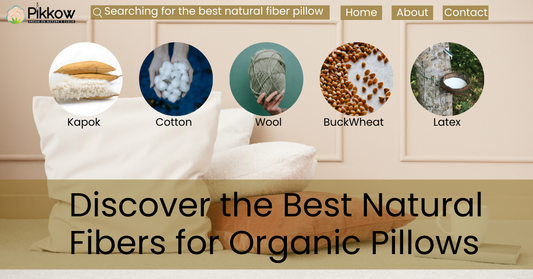
Pikkow pillows are made using 100% natural kapok fiber, harvested from the seed pods of the kapok tree. Kapok is known as the "plant silk" because of its light, fluffy texture and naturally hypoallergenic qualities.
Unlike foam or synthetic pillows, Pikkow organic pillows don’t contain harmful chemicals, microplastics, or artificial fillers. They are biodegradable, cruelty-free, and eco-friendly — making them ideal for people who value sustainable sleep and wellness.
Organic Pillows vs Regular Pillows: A Clear Comparison
Let’s take a quick look at how Pikkow organic kapok pillows stack up against regular synthetic or foam pillows:
|
Feature |
Pikkow Organic Pillows (Kapok) |
Regular Pillows (Foam/Synthetic) |
|
Material |
100% natural kapok fiber |
Memory foam, polyester, or synthetic blends |
|
Comfort Level |
Soft, breathable, adjusts naturally |
Can be dense or trap heat |
|
Allergen-Free |
Naturally hypoallergenic |
Often traps dust mites and allergens |
|
Environmental Impact |
100% biodegradable and renewable |
Non-biodegradable, creates waste |
|
Chemical Usage |
Free from toxins and bleaches |
Contains VOCs and artificial additives |
|
Lifespan |
3–5 years with proper care |
Degrades faster or loses shape easily |
|
Odor and Freshness |
Naturally fresh, plant-based scent |
May emit chemical smell (off-gassing) |
|
Temperature Control |
Naturally cool and breathable |
Traps body heat |
|
Maintenance |
Easy to fluff and wash cover |
Often hard to clean completely |
Verdict: Pikkow organic pillows win every time — they’re healthier, cooler, and more sustainable than foam or synthetic ones.
Kapok Pillow vs Foam Pillow: The Comfort and Health Difference

1. Sleep Comfort and Support
A kapok pillow vs foam pillow feels entirely different. Kapok fiber is naturally buoyant, soft, and supportive — it molds to your head and neck while maintaining its shape. Foam, on the other hand, often feels rigid and traps heat, making you toss and turn through the night.
“A good pillow doesn’t just cradle your head; it supports your dreams.”
Kapok pillows also help maintain a neutral spine position — ideal for back and side sleepers — while foam pillows can become too firm or too soft over time.
2. Health and Allergy Benefits
Kapok fibers are naturally hypoallergenic, dust-mite resistant, and antibacterial. Foam pillows, by contrast, can harbor moisture and allergens, leading to sneezing or itchy eyes.
If you’ve ever woken up with a stuffy nose or mild headache, your regular pillow could be the culprit. Pikkow organic pillows solve this problem by offering a toxin-free, breathable surface for your nightly rest.
3. Environmental Impact
In today’s world, sustainability is no longer optional — it’s essential. Foam and polyester pillows are made using petroleum-based chemicals, contributing to pollution and landfill waste.
Meanwhile, Pikkow kapok pillows come from renewable trees that require no pesticides or fertilizers. The production process is eco-conscious, creating zero waste and leaving a minimal carbon footprint.
Choosing Pikkow means choosing the Earth.
Why Indians Are Moving Toward Natural vs Synthetic Pillows
Indian consumers today are becoming increasingly aware of what they bring into their homes. The shift toward natural vs synthetic pillows is driven by both wellness and sustainability.
Key Reasons:
-
Rising awareness about allergies caused by synthetic materials
-
Growing interest in organic and Ayurvedic lifestyles
-
Preference for eco-conscious Indian brands
-
Desire for long-lasting comfort over cheap substitutes
Pikkow, as a homegrown eco-friendly brand, aligns perfectly with India’s cultural and environmental values — offering a product that feels both luxurious and responsible.
Expert Tip: How to Choose the Right Pillow for You
When buying a new pillow, remember these quick tips:
-
Check the Material: Always read the label — avoid polyester and foam-based fillers.
-
Look for Certifications: Choose organic-certified products whenever possible.
-
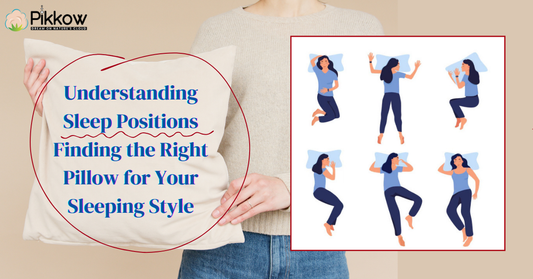
Consider Your Sleep Style: Side sleepers need medium support, while back sleepers prefer medium-soft.
-
Avoid Chemical Smells: Off-gassing from foam can cause headaches and irritation.
-
Prioritize Breathability: Natural fibers like kapok allow airflow for cool sleep.
Sustainability Snapshot

Here’s how Pikkow organic pillows make a real environmental difference:
|
Aspect |
Pikkow Organic Pillow |
Regular Pillow |
|
Carbon Footprint |
🌿 Low |
⚠️ High |
|
Chemical Emissions |
❌ None |
☣️ Yes |
|
Biodegradability |
✅ 100% |
❌ Non-biodegradable |
|
Production Waste |
♻️ Minimal |
🏭 Significant |
“Every night’s sleep can be your silent contribution to a cleaner planet.”
Real Talk: Comfort That You Can Feel
Unlike foam pillows that heat up under your head, Pikkow kapok pillows stay naturally cool. Many users describe sleeping on them as “floating on a soft cloud” — firm enough to support, yet gentle enough to relax your neck muscles completely.
It’s no surprise that people who switch to Pikkow organic pillows rarely go back. Once you experience toxin-free, breathable comfort, there’s no turning back to synthetic fluff.
Conclusion: Sleep Natural, Live Better
Choosing between organic pillows vs regular pillows isn’t just about comfort — it’s a statement about how you value your health and the environment.
Pikkow pillows redefine sleep by combining nature’s softness with human innovation. They’re hypoallergenic, breathable, sustainable, and designed to last. Every time you rest your head on a Pikkow, you’re not only caring for yourself — you’re making a small but powerful choice for the planet.
So the next time you’re looking for a new pillow, skip the foam and switch to Pikkow — The New Standard of Natural Sleep.
Also Read:
Inside the Making of a PIKKOW: The Journey from Kapok Tree to Cozy Sleep
The Future of Sleep: Why “Organic” Will Replace “Orthopedic”
The Ultimate Guide to Choosing the Right Organic Pillow for You
How Switching to Pikkow Can Reduce Plastic Waste in Bedding
Kapok Pillows in India: Why They’re the New Choice for Smart Sleepers
7 Reasons to Switch to Kapok Pillows for Healthier, Deeper Sleep
How Organic Pillows Help Relieve Headache and Improve Sleep Quality
Why the World Should Call Organic Pillows “PIKKOW” — The New Standard of Natural Sleep
Why Organic Kapok Pillows Are Perfect for Dry Winter Nights
Frequently Asked Questions (FAQs)
1. Are kapok pillows really better than foam pillows?
Yes, kapok pillows are more breathable, eco-friendly, and hypoallergenic compared to foam pillows that trap heat and release chemicals.
2. Do Pikkow pillows flatten over time?
No. With gentle fluffing, Pikkow pillows retain their bounce and shape for years.
3. Can people with allergies use organic kapok pillows?
Absolutely! Kapok fibers are naturally hypoallergenic, making them perfect for allergy-prone users.
4. How do I clean my Pikkow pillow?
You can hand-fluff or air it out under sunlight. The outer organic cotton cover can be machine-washed.
5. Are Pikkow pillows vegan and cruelty-free?
Yes, Pikkow pillows are 100% plant-based and contain no animal products or chemicals.